Why investing in quality design strengthens trust, improves conversions, and saves money in the long run — while shortcuts lead to hidden losses.
Design is often perceived as a visual add-on — something that simply makes a product look attractive. In reality, design has a direct impact on sales, trust, and customer loyalty. Cutting costs on visual identity may seem like an easy way to save money, but over time it usually results in losses that far exceed the initial savings.
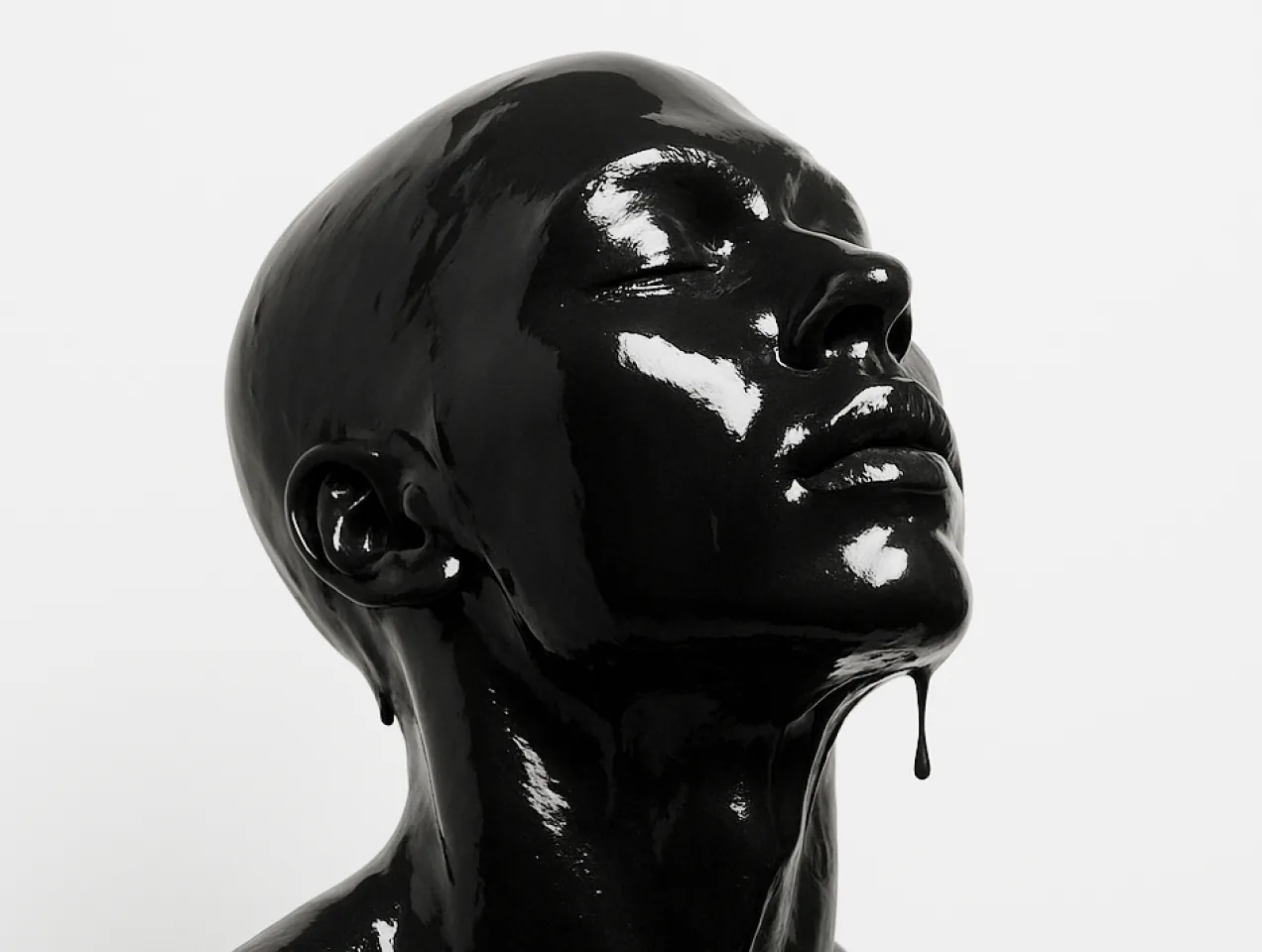
The first thing that suffers when the design budget is reduced is brand image. Users form an impression of a company within seconds, subconsciously comparing its website, packaging, or marketing materials with established brands. If the design feels outdated, inconsistent, or careless, trust drops before the audience even considers the price or offer. Even an excellent product can appear unreliable when presented in a weak visual frame.
Functionality is the next major risk. Poorly designed interfaces frustrate users, create confusion, and reduce conversion rates. Saving on UX design often leads to usability issues, abandoned checkouts, and lost customers. In many cases, companies end up paying twice — first for a rushed, low-quality solution, and later for a full redesign to fix the problems.
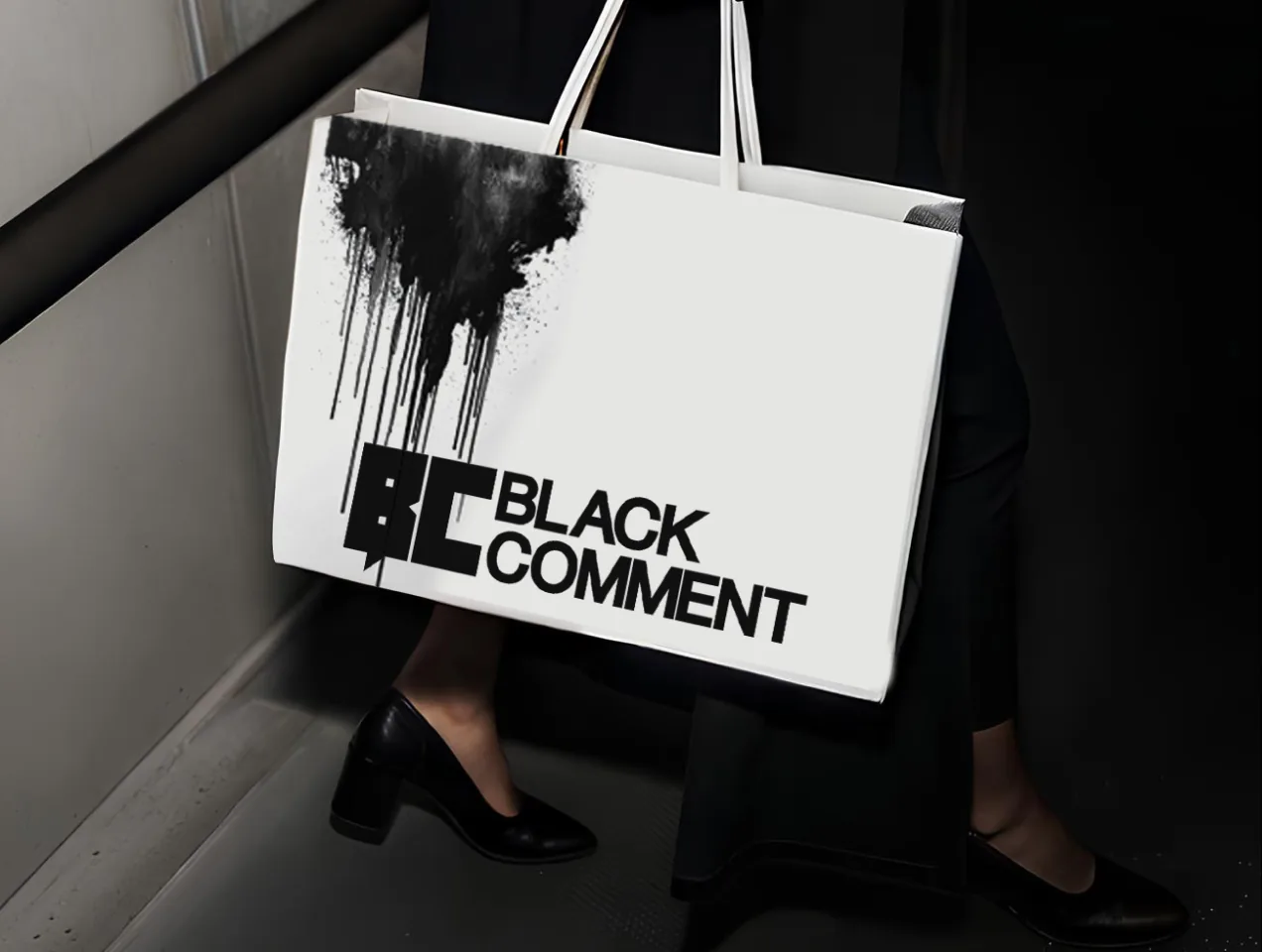
Quality design is a long-term investment. A well-built visual system supports scalability, simplifies new product launches, and saves internal resources over time. Clear brand guidelines, thoughtful typography, and flexible layouts make it easier to create new materials quickly and consistently, without constant revisions or visual inconsistencies.
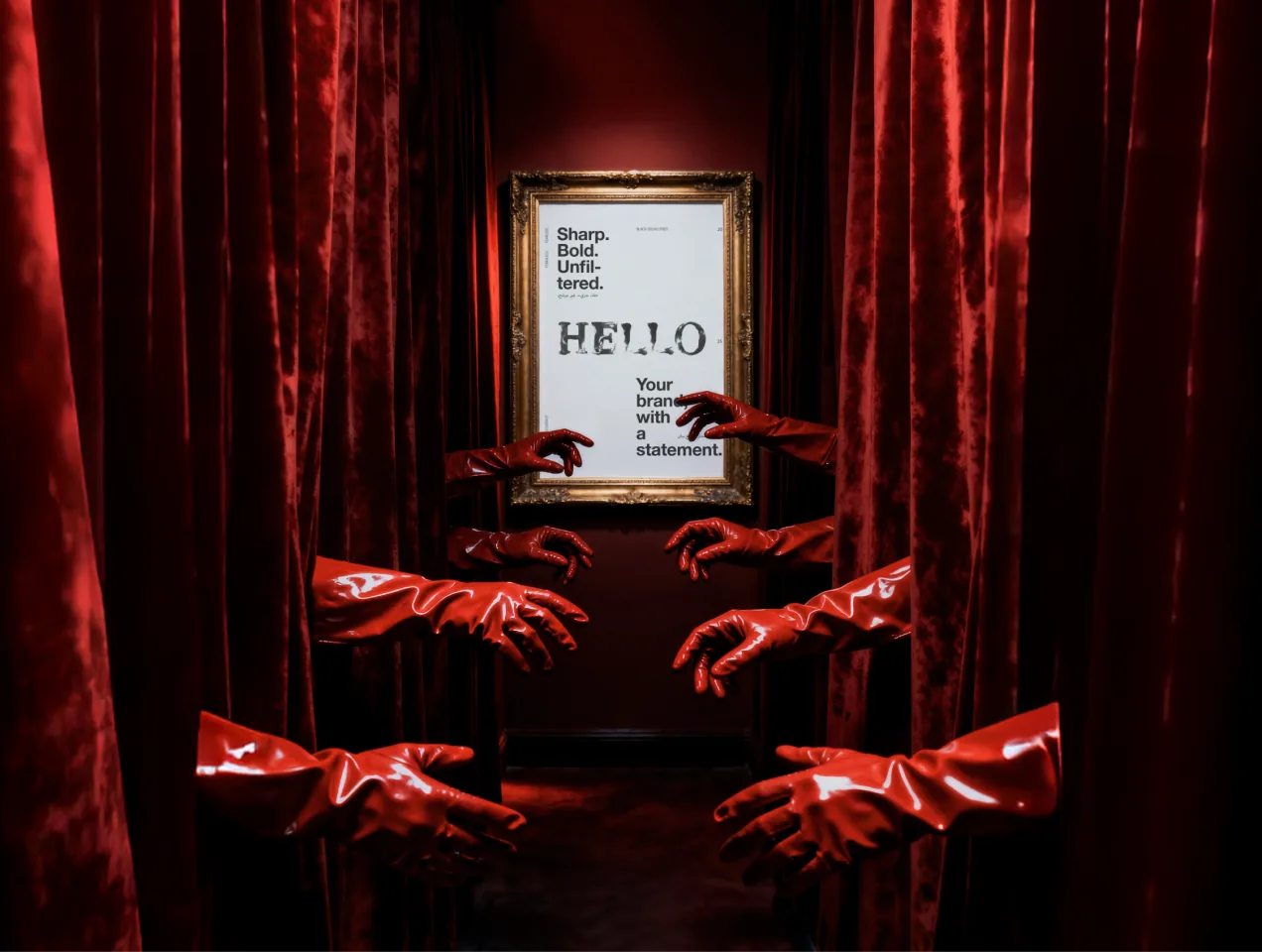
What initially looks like savings often turns into added expense. Poor design reduces recognition, slows growth, and increases marketing costs, as brands are forced to spend more on advertising to compensate for weak first impressions. Professional design pays for itself — it builds trust, strengthens credibility, and creates a brand image that sells the product before a single word is read.